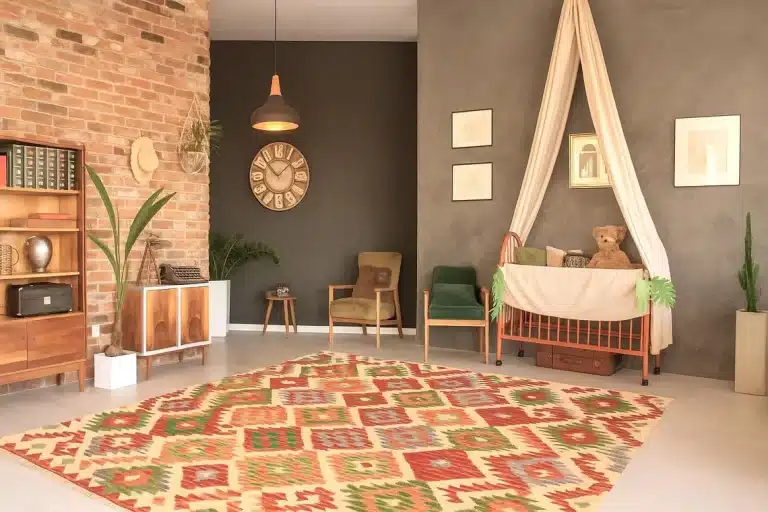
Iranian vs Pakistani Hand-Knotted Carpets
Iranian vs Pakistani Hand-Knotted Carpets: Key Differences
Iranian vs Pakistani hand-knotted carpets are two of the most recognized traditions in the global rug industry. Both represent high craftsmanship, but their differences in history, design, materials, durability, and investment value set them apart. Knowing these contrasts helps buyers, collectors, and investors choose the right piece.
History of Iranian vs Pakistani Carpets
Iranian carpets trace back thousands of years, making them cultural icons. From royal courts to small villages, weaving has always been central to Persian identity. Masterpieces from cities like Tabriz and Kashan are preserved in museums worldwide.
Pakistani carpets, in contrast, have a shorter history.
They gained momentum in the mid-20th century when artisans migrated from India after partition. These weavers brought Persian-inspired designs, creating a tradition that blends Persian influence with Pakistani innovation.

Materials and Knotting in Iranian vs Pakistani Carpets
Iranian weavers use premium wool and silk, often combining both for luxurious textures. The Persian (Senneh) knot allows precise, detailed work.
Pakistani carpets usually employ soft Australian or New Zealand wool. The Turkish (Ghiordes) knot, more symmetrical, creates denser but less intricate designs. This gives Pakistani rugs strength and durability while keeping production efficient.
Dyeing and Color
Iranian carpets rely on natural dyes made from plants, roots, and minerals. Madder root produces red, indigo creates blue, and pomegranate rind adds golden tones. These colors remain vibrant for decades.
Pakistani carpets, however, are known for their subtle tones. Pastels, earthy shades, and beige backgrounds dominate. Both natural and synthetic dyes are used, resulting in affordable, contemporary looks that attract global buyers.
Sizes and Formats of Iranian vs Pakistani Carpets
Iranian carpets come in many sizes, from small prayer rugs to palace-sized creations. Custom weaving is common, reflecting clients’ preferences.
Pakistani carpets are typically woven in standard dimensions such as 6×9, 8×10, or 9×12 feet. This standardization aligns with export demands, making them highly accessible to international markets.
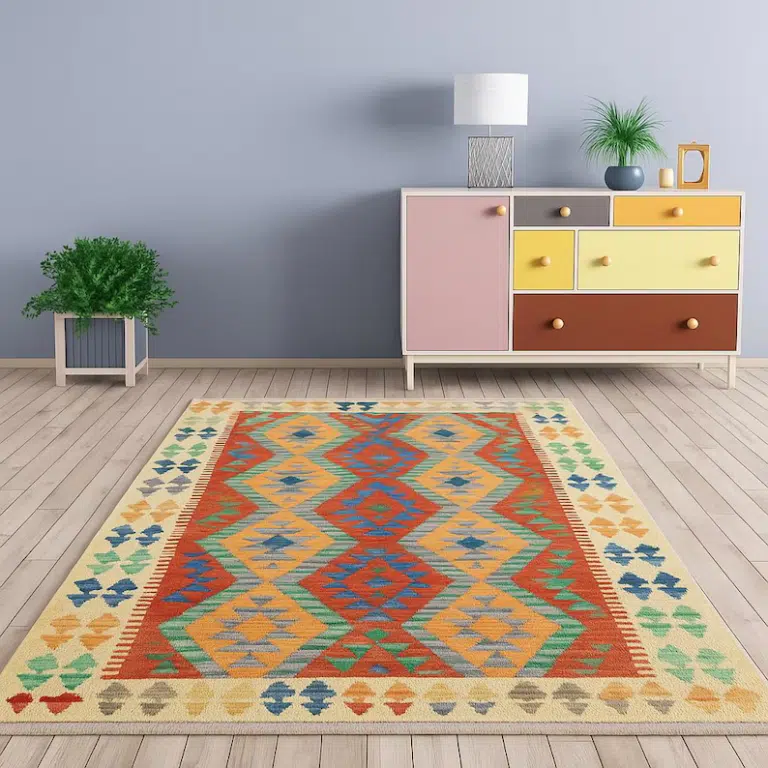
Durability of Iranian vs Pakistani Hand-Knotted Carpets
Iranian carpets are renowned for durability. When maintained well, they can last for generations and even increase in value as antiques.
Pakistani carpets are also durable, with dense knots and high-quality wool ensuring longevity. However, they usually do not match the multi-generational lifespan of Iranian masterpieces.
Investment Value of hand-knotted carpet
Iranian carpets are regarded as cultural assets. Antique Persian rugs often appreciate in value and are highly demanded at auctions.
Global Market for Iranian and Pakistani Carpets
Iranian carpets dominate luxury markets, auctions, and museums, symbolizing prestige and heritage. Collectors see them as timeless works of art.
Pakistani carpets are more visible in retail markets. Their competitive pricing, soft tones, and modern designs make them popular in the U.S. and Europe. They fit both traditional and contemporary homes.
Conclusion
In conclusion, Iranian vs Pakistani hand-knotted carpets represent two unique traditions. Iranian carpets showcase authenticity, cultural depth, and investment value. Pakistani carpets, on the other hand, win buyers with affordability, muted colors, and practical sizes. Recognizing these differences allows buyers to choose rugs that best fit their homes and lifestyles.
editor's pick

news via inbox
Nulla turp dis cursus. Integer liberos euismod pretium faucibua